
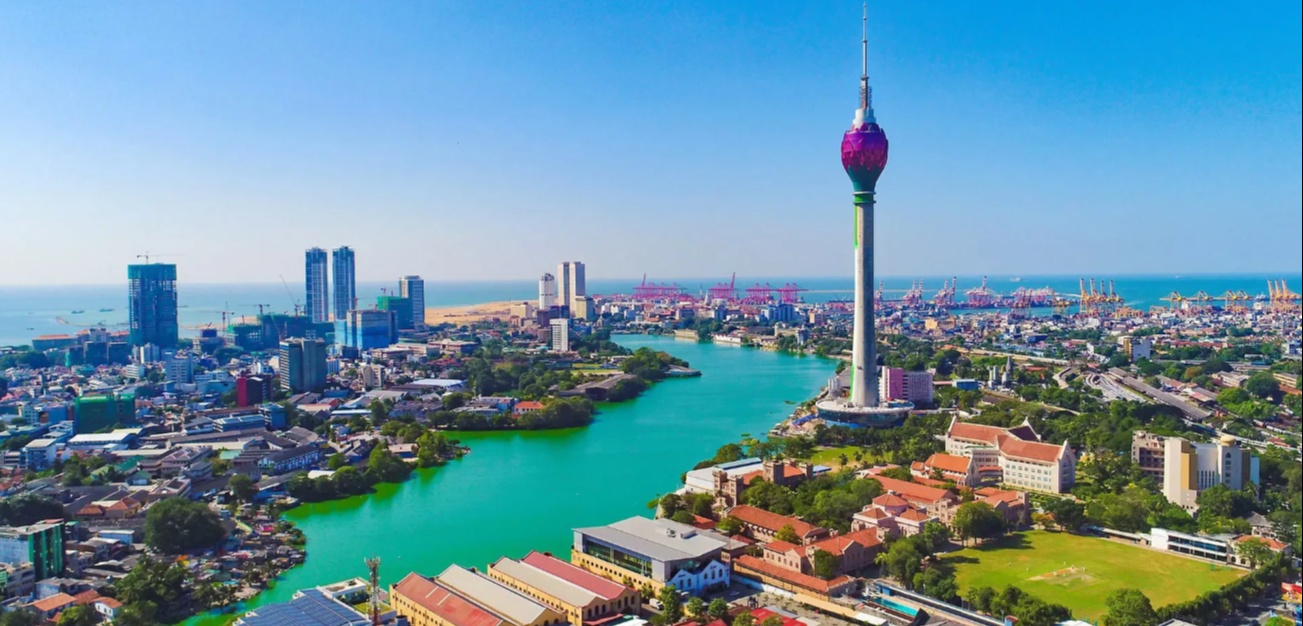
Since 1 January, the Government of Sri Lanka has formally implemented the new regulations, which double the previous $50 for the payment of $100 for domestic residents to enter casinos or other casinos. At the same time, the Government has raised the lottery tax rate from 15 per cent to 18 per cent last year and applies to all operators, including lottery companies with a gross monthly income of more than Rs. 1 million.
According to the Sri Lankan Revenue Authority, all operators are required to levy a “entry tax” on their citizens in foreign or national currency amounting to US$ 100 or its equivalent. This adjustment of taxes and fees was achieved by amending the Lottery and Investment Tax Act of 1988 and was formally approved by Parliament in December 2025. This action by the Government of Sri Lanka is seen as a recognition of the growth potential of the sector. The data show that the lottery industry is expected to generate $410 million in revenue for the country in 2026, up from $240 million in 2020. According to the Daily Mirror, the industry is classified as a “high-priority area of fiscal revenue”, and as the Government seeks to expand the tax base, in-house analysts predict that the Sri Lankan lottery industry will grow at an average of 5.4 per cent per annum over the next five years. In response to the expansion of the industry, Sri Lanka ‘ s first Lottery Regulatory Authority is expected to be formally established by 30 June to oversee and regulate the national lottery business.
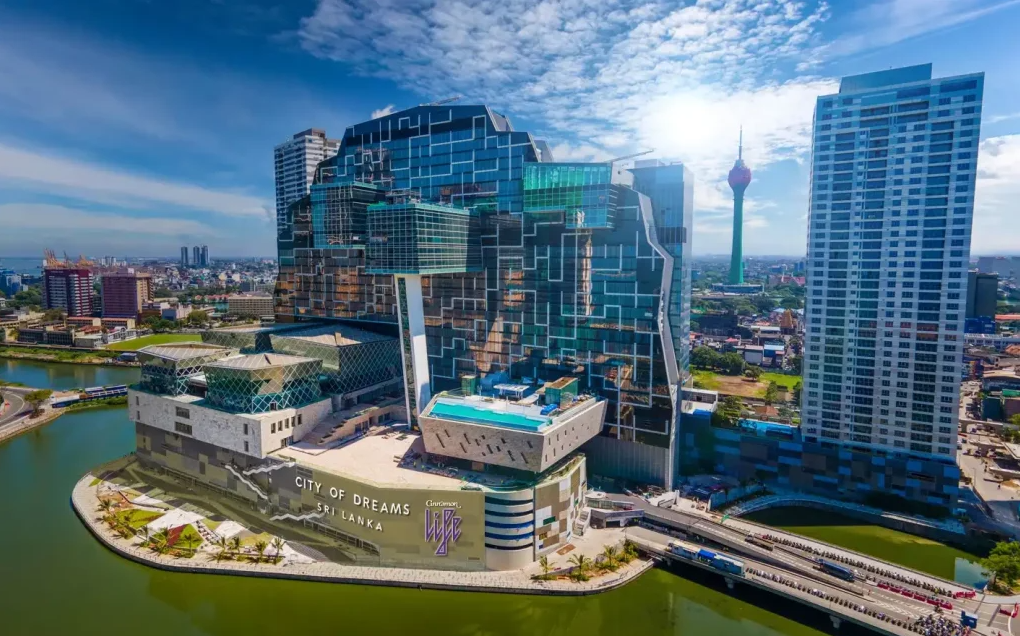
New tax and regulatory measures are also seen as part of the Government ‘ s path to economic recovery. In 2022, Sri Lanka was plunged into an unprecedented economic crisis as a result of external debt defaults, with inflation once exceeding 50 per cent, and a national protest was triggered by fuel and food shortages. In 2023, the International Monetary Fund (IMF) provided billions of dollars in aid, gradually lifting the economy out of its predicament. Although the economy remained fragile, the Government had projected a growth rate of 3.1 per cent in 2026 last year, the IMF had revised its estimate downwards to 2.9 per cent as a result of the devastation caused by cyclone Ditwa, which had engulfed the country in November 2025.