
As AI tools become more and more common, the unwitting over-reliance of users on AI platforms to share very private personal information on these public information streams raises public concerns about privacy and raises strong opposition to digital content. Major AI companies are becoming more vigilant in responding to the enormous pressures of AI ethics to ensure that technology is used responsibly to avoid problems with data processing.
In view of recent incidents in which users had uninformedly disclosed sensitive information, and in order to avoid legal disputes or reputational damage, Meta had issued an update to provide its users with a disclaimer for sharing personal information on AI applications. Users are reminded to avoid sharing sensitive information in conversations with AI assistants. Experts noted, however, that the warning did not address the core issues of Meta AI application in data privacy and user protection.

The commercial insider website describes the Meta AI application as an uncomfortable software, as it openly shares a large amount of private and embarrassing information. Users did not realize that their posts would appear in the “Discover” information stream available to the public, leading to the inadvertent disclosure of previously very private chats. While Meta ‘ s AI application does not automatically release user conversations to others, the Platform ‘ s recommended algorithms surprise everyone to see them.
The appearance of these private posts began with the launch of the AI application by Meta in April. The dialogue contained in the post varied from unpaid taxes to ways to improve intestinal creeping, and the most embarrassing was the fact that users were not aware that the content was public. It was only recently that a growing number of “magic” conversations were brought to the attention of communities and Meta when they appeared in “Discover” and were shared on social networks. This raised great concerns, and privacy experts criticized Meta for setting up an open social stream, unlike other AI chat robots.
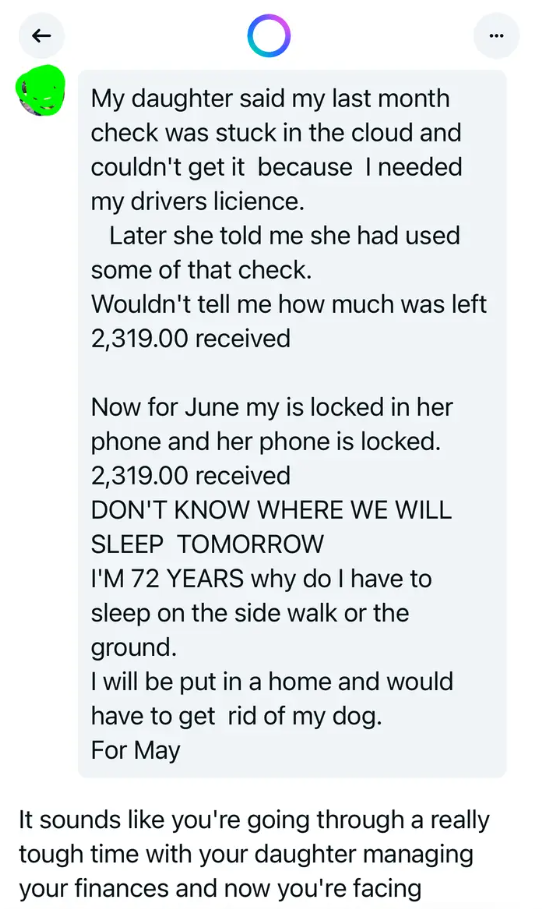
Rachel Tobac, a security expert who worked with the company, also quickly identified the security risks that such user experience might pose. She said: “Humans have built a psychological model around the AI chat robot and do not expect their AI chat robots to suggest that they are in the search for information flows in social media style — this is not the way other tools work.”
In addition, the Mozilla Foundation has called on Meta to change the layout of its applications and to inform the users of each post when it is made public. Meta has responded to these concerns and requests without a long delay and has now introduced a warning sign for a publicly shared dialogue in Meta AI applications, although this is a one-time disclaimer.
The message of the warning label is that your tips are public and are visible to everyone. Your tips may be recommended by Meta for other Meta applications. Be careful not to share personal or sensitive information.