
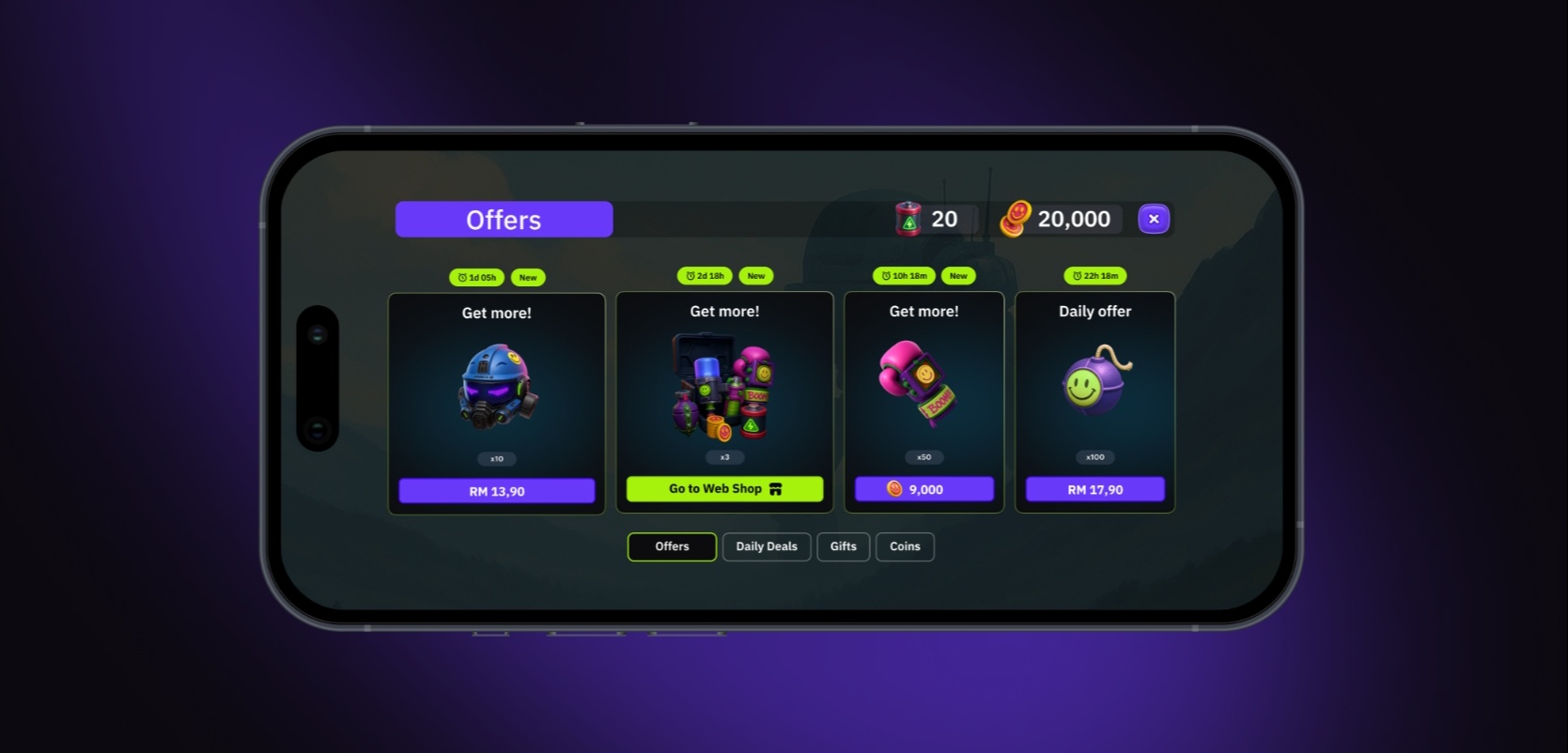
According to the distribution network shared by Xsolla, a global video game business company, direct-to-consumer (D2C) transactions on the PC platform exceeded $1 billion in 2025.
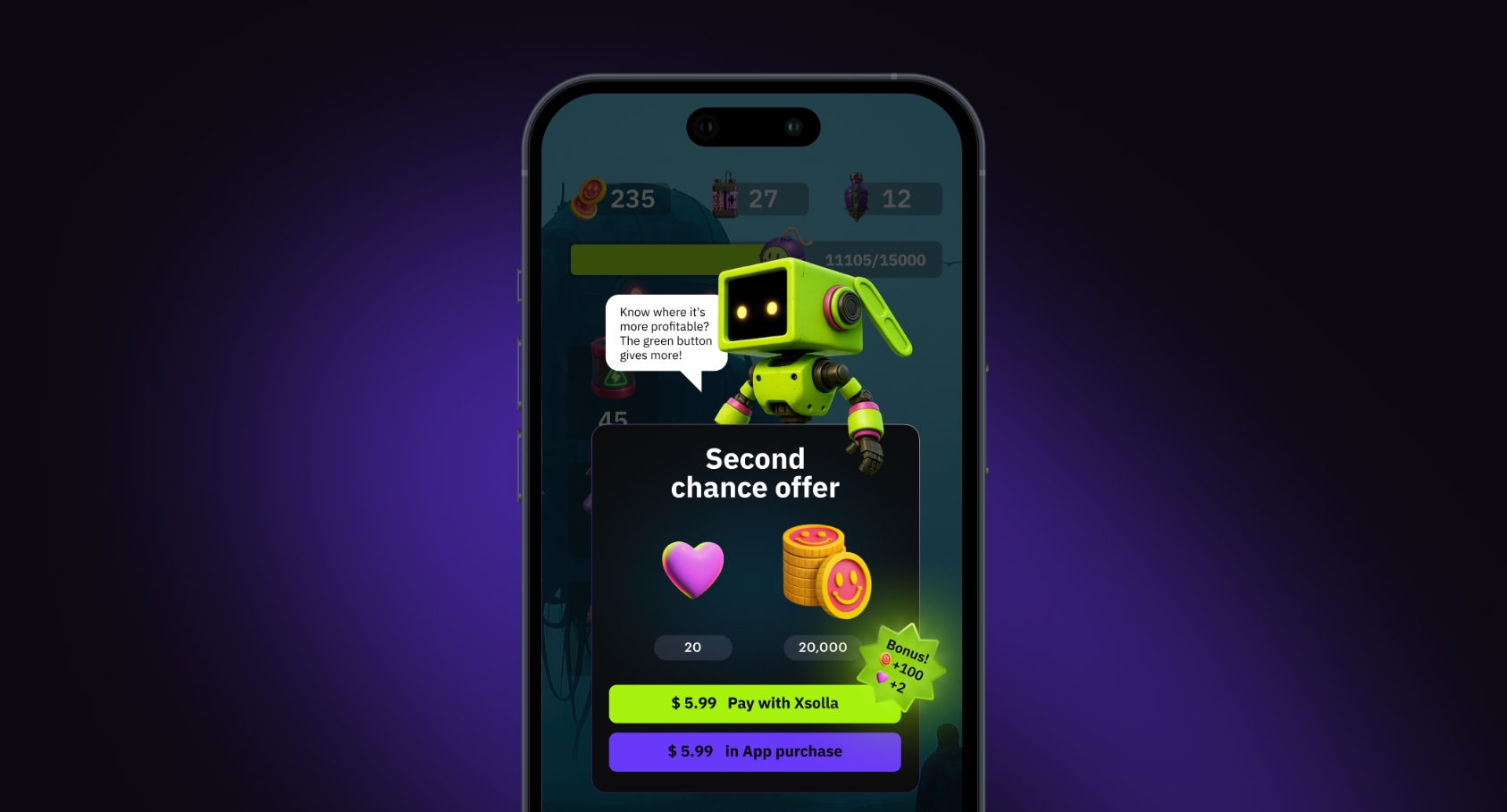
The data show that D2C web shops and independent distribution models are operating on a large scale in the market, far beyond the large 3A distributors. The data show that the $1 billion in transactions comes from over 1,000 games, indicating that parallel distribution channels are becoming a viable option compared to the broader group of developers previously considered.
Although the giants of the Riot Games, Phui, EA, Rockstar and Snowstorms have operated for more than 10 years, Xsolla data show that this model has become popular. The breakdown of transactions in 2025 highlights the speed of income at different levels of the market:
D2C transactions in excess of 15 PC games exceed $10 million
Over 90 PC games with D2C transactions exceeding $1 million
More than 300 games trading in over $100,000.
The average selling value of these transactions is slightly higher than $15, indicating that the shift to a direct distribution channel to the web site is driven by a large number of middle-end and independent regular consumer buying behaviours, rather than relying solely on high consumption anomalies.
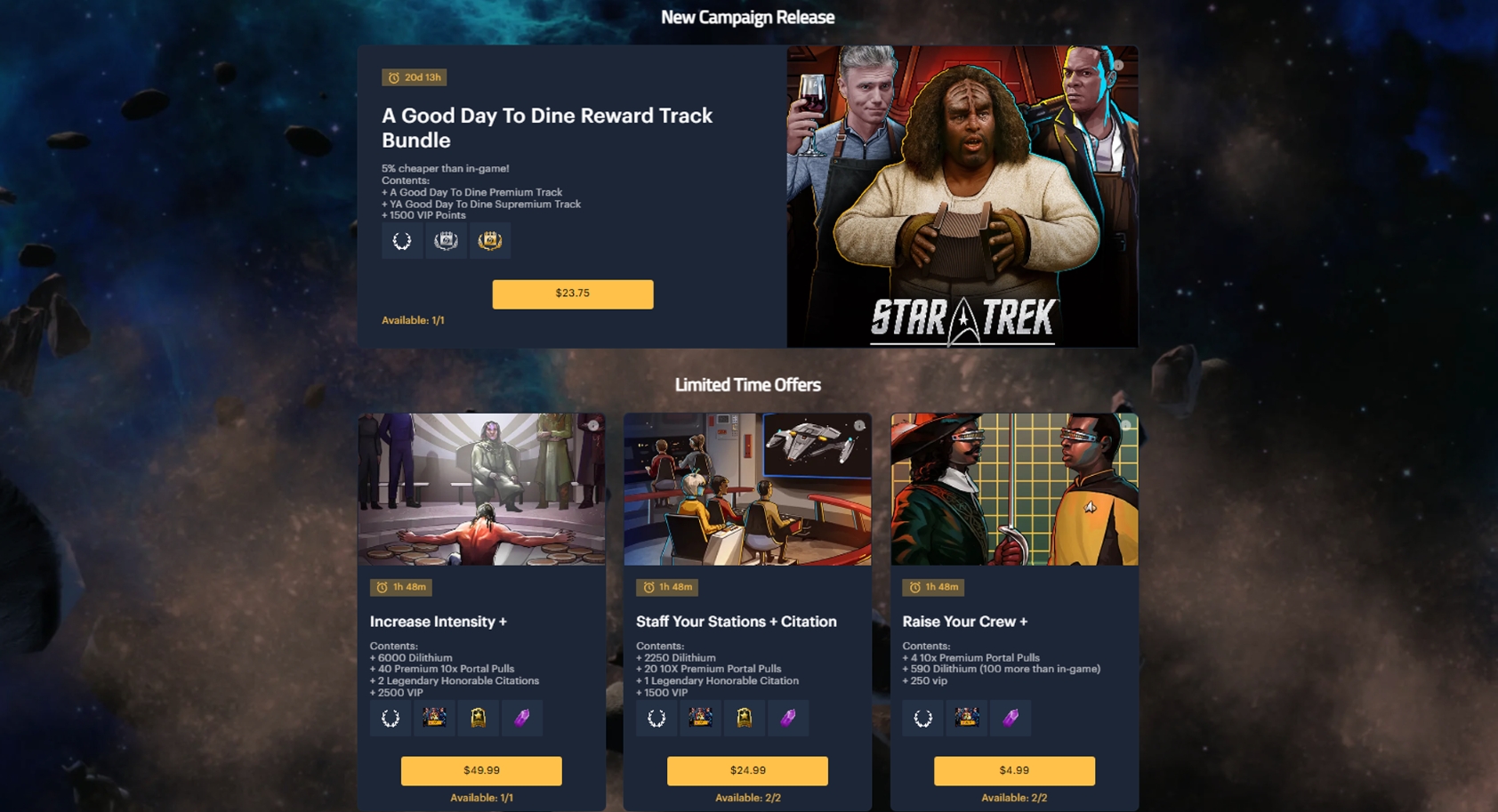
Data sketches the perception of distribution patterns by PC-end developers, especially when assessing financial and strategic trade-offs that rely exclusively on traditional third-party shops.
There are two different costs to a purely physical distribution model:
1. Structural costs:Traditional digital stores usually draw 30 per cent of the commission from each transaction, which directly affects the developer ‘ s profitability.
Data and customer acquisition costs:Under the stand-alone shop model, the issuer completes a sale but is unable to obtain a customer. Third-party platforms retain all purchaser data, control the main channels of communication and have the capacity to remarket to these players.
The creation of parallel direct marketing channels has changed this dynamic, enabling creators to retain player data and establish long-term ecosystem values.
In discussing market transformation, Chris Cheever, Vice-President of Xsolla, highlighted how the availability of infrastructure has fundamentally changed distribution patterns.
“When discussing distribution channels, most developers continue to believe that traditional shops are the only viable avenue. But the data prove that this is not the case. The D2C model on PC has been operating on a large scale for over a decade. The change is that the infrastructure to achieve D2C is no longer limited to distributors with specialized engineering teams.”
These data suggest that the same structural evolution of mobile applications distribution is currently being subverted and that the PC is being stabilized at the end, providing a framework for distributors to expand parallel business channels outside traditional shops.