
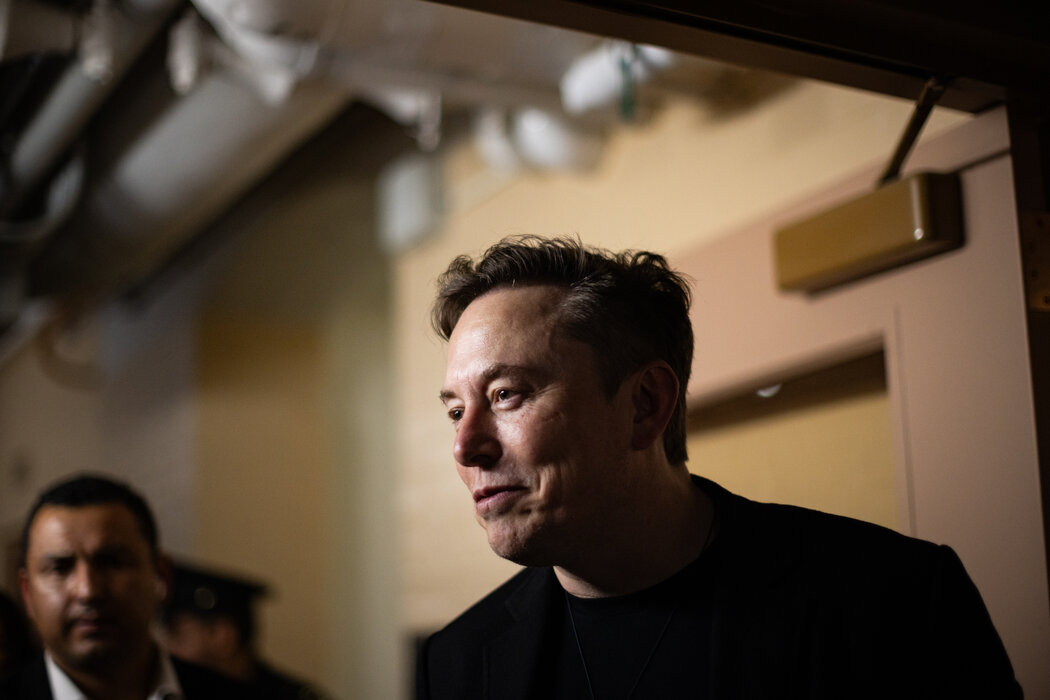
On Thursday, two days after New Yorkers elected a candidate for taxation of the rich as mayor, Tesla shareholders adopted a programme that could make Elon Mask the world’s first trillionaire.
Chief Executive Officer Elon Mask of Tesla threatened to leave the company if the shareholders rejected the remuneration plan.
These two things seem irrelevant, but they reveal a stark contrast between American society and its distribution of wealth.
In Tesla, based in Austin, Texas, the shareholders largely believed in the “winner-take-all” capitalist model, and they agreed by overwhelming votes: If Mask could lead the company to ambitious financial and operational goals over the next decade, he would be given a stake of nearly $1 trillion.
On the other side of the United States, where Wall Street is located, Zoran Mamdani’s election reflects the dissatisfaction of many Americans with the economic system – a system that makes them tired of basic expenses, such as food, housing and childcare.
These two things, of course, belong to very different fields, but this coexistence reflects deeper divisions in American commerce and politics. On the one hand are the billionaires like Mask and their many supporters, including President Trump, who believe that the economic success of a small number of executives deserves to be commended and emulated.
The other side was a progressive democraticist like Mamdani, who called for a social welfare system closer to the Western European model. In his campaign, Mamdani advocated universal child-care security and free public transport through increased taxes on businesses and the rich — commitments that helped him defeat two more conservative candidates by overwhelming.
Similar to the remuneration scheme approved by Tesla shareholders in 2018, the 12-phase plan requires Mask, who is Chief Executive Officer, to significantly increase the market value of Tesla — from approximately $1.4 trillion to $8.5 trillion — while completing a number of other goals, including the sale of 1 million man-made robots and the realization of 10 million subscriptions to automatic driving software.
“We are about to open not just a new chapter of Tesla’s future, but a new era”, said Mask, after thanking shareholders for their support.
Tesla’s share price fell slightly in post-business transactions.
Tesla directors and some investors, including the board of directors of the Florida Public Pension Fund, – To commend this trillion-dollar pay programme as an incentive to build future products such as auto-driving cars, which are already the world’s richest man.
The Florida Administrative Council stated in a document setting out its reasons for voting in favour of the Mask pay scheme: “The ambitions of Tesla, which have always defined the development trajectory of Tesla, have been ignored by those who question `overpaid’. A company that has developed from a near-insolvency to a global leader in electric cars and clean energy under a similar incentive framework is well qualified to use an incentive model that rewards `monthly-level results’.”
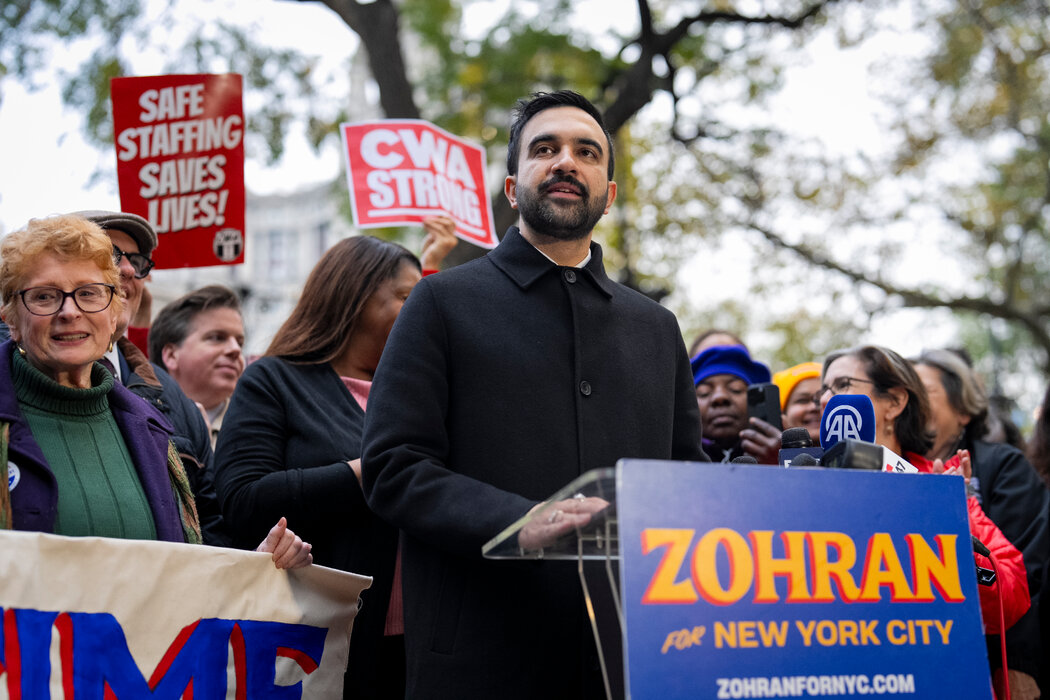
The New York City Mayor-designate, Zoran Mamdani, campaigned to fund universal childcare and free public transport by raising corporate and rich tax revenues.
The pay scheme was designed to ensure that corporate investors would benefit when Musk made a profit – – Fund manager Casey Wood emphasized this on social media platform X this week.
Wood, Chief Executive Officer of Ark Investment, wrote: “I do not understand why investors vote against Elon’s pay formula, and if he and his elite team achieve these ambitious goals, the investors and their clients will have a huge return.”
But Musk’s opponents, including New York and California Public Pension Fund administrators, strongly opposed the plan, arguing that it would allow too much wealth and corporate power to be concentrated in one person.
The Auditor General of the State of New York, Thomas Dinapoli, stated at a recent telephone conference with journalists and investors: “This is not pay for performance, it is pay for unfettered power”.
Even Pope Leung XIV, who spoke in an interview with the Catholic news site Crux, said that the Mask pay programme reflected a widening gap between the working class and the wealthy. According to a corporate securities declaration, the median remuneration of Tesla employees in 2024 was approximately $57,000.
Mask responded indirectly to some of the questions, claiming that Optimus, a human robot developed by the company, was the only solution to poverty eradication. The robot is still in the development stage.
“It is often said that poverty eradication and access to quality health care for all are needed. But there’s actually only one way to do it, and that’s Optimus robot, “Mask says. “This is about to lead us into a scientific illusion beyond imagination.”
The adoption of the remuneration scheme was expected. According to data from Georgeson, the United States listed companies have had about six, albeit on a much smaller scale, of similar senior equity incentive programmes submitted to shareholders for voting in the past three years, all but one of which were adopted.
Under Texas law in the Tesla registry, Mask may vote in his own shares. He holds approximately 15 per cent of Tesla shares. If he had reached the terms of the remuneration plan, his shareholding could have increased to a maximum of nearly 29 per cent, although he might have to sell some of his shares to pay taxes and fees.
However, another major investor in the company, the Norwegian Sovereign Wealth Fund Operator, the Norwegian Bank Investment Management Corporation, made it clear that it would vote against it.
The agency stated: “Although we recognize the great value created by Mask’s visionary leadership, we are concerned about the overall size of the incentive, the dilution effect of the equity and the absence of measures to mitigate the risks to key personnel.” Here, the “key personnel risk” refers to a company’s overreliance on a particular person.
Other opponents indicated that the terms of the programme gave the Tesla Board too much discretion to grant shares to Mask even if the product target had not been met.
The Tesla Board rejected these challenges.
The Chairman of the Board of Trustees, Robin de Hom, wrote to the shareholders last month that the “core goal” of the pay programme was one: to accelerate Tesla’s progress towards a new cycle of extraordinary growth, innovation and value creation. Without easy-to-reach targets, Ellón will be able to gain more voting rights only if it reaches its ambitious market value and operational goals.”