
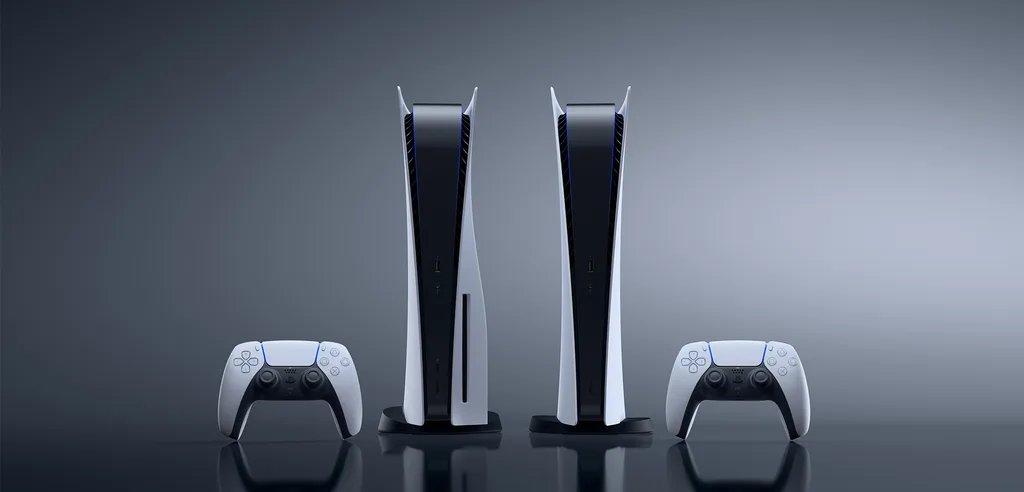
Sony had recently released the latest quarterly financial report, which showed that PlayStation 5 (including PS5 Pro, etc.) had reached 8.3 million global deliveries, and that data showed an increase of 2.5 million PS5 in the last three months by 30 June 2025, a slight increase over the same period last year.
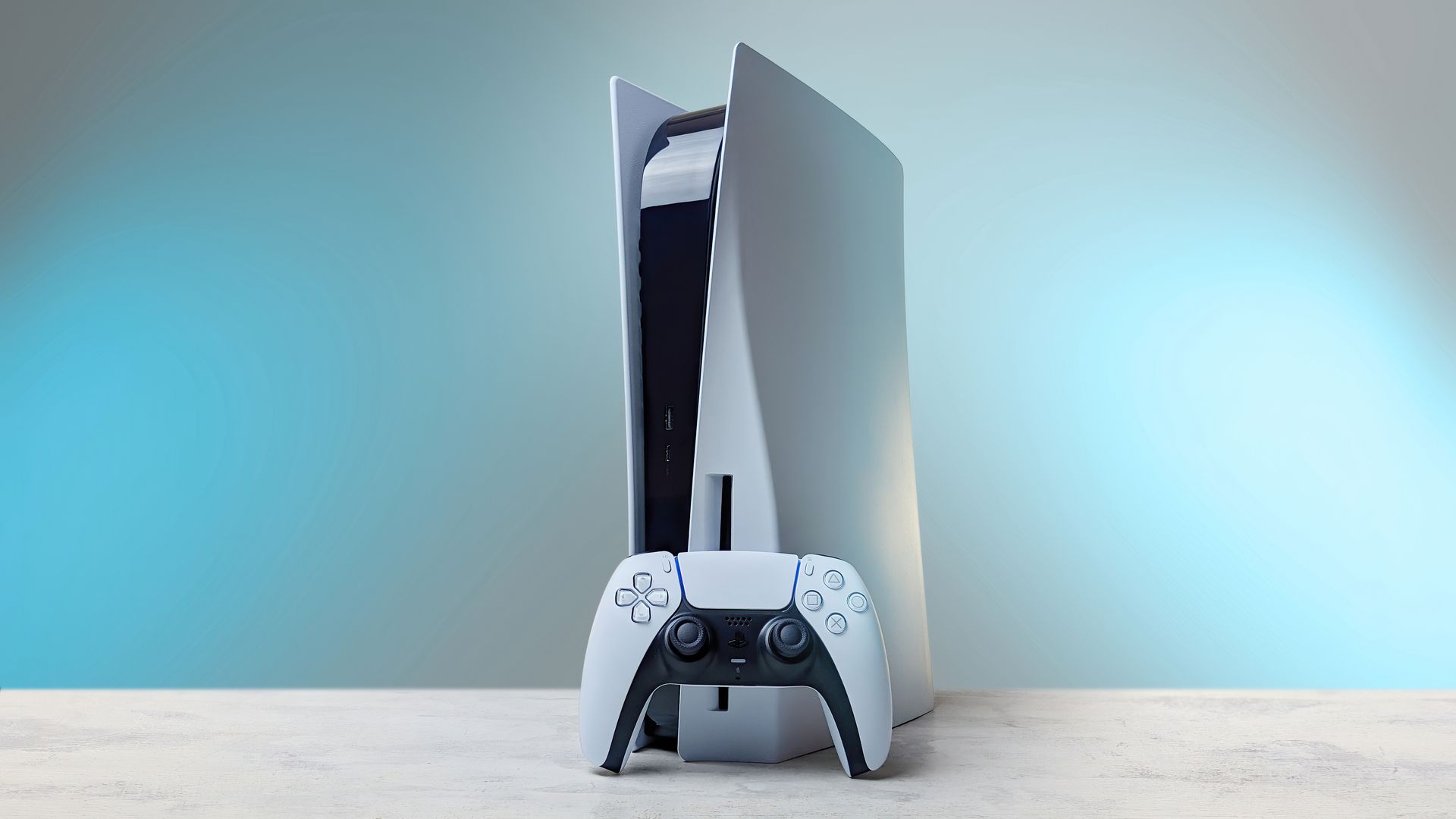
For Sony, this is undoubtedly a rather bright report card, with 7 million subscribers to PlayStation Network (PSN) this quarter and a total of 123 million users. The combined sales of PS5 and PS4 games in the last quarter amounted to 65.9 million, an increase of 12.3 million over the previous quarter. Of these, Sony’s first game sold 6.9 million, an increase of 900,000 over the same period.
Five years after listing, PS5 sales are approaching the total lifetime sales of Xbox 360 (approximately 84 million) and PS3 (87 million), although there is still a gap with legendary hosts such as PS2 and NS. According to IGN data, the mainframe sales list is still dominated by PS2 (about 160 million) and Nintendo Switch (153 million), followed by PS4 (117 million) and the early PlayStation (102 million).
It’s on the king’s path.
The winner of this generation’s host war might have been Sony before the next generation (published by the PS6 mainframe).The key to its success was to highlight the results of decades of farming PlayStation. Although there have recently been frequent failures in multi-player layouts, its home-grown dynamic of developing a good game pipeline continues to support its success.
In addition, Sony’s success on the two previous generations’ mainframes is due to the “brain-up of his peers”. Its direct and most important competitor, Microsoft, is a continuing failure, like “stomping on all banana skins”, which gives Sonny an opportunity to keep working, and the gap between Microsoft and Sony is much wider throughout the PS4 generation.
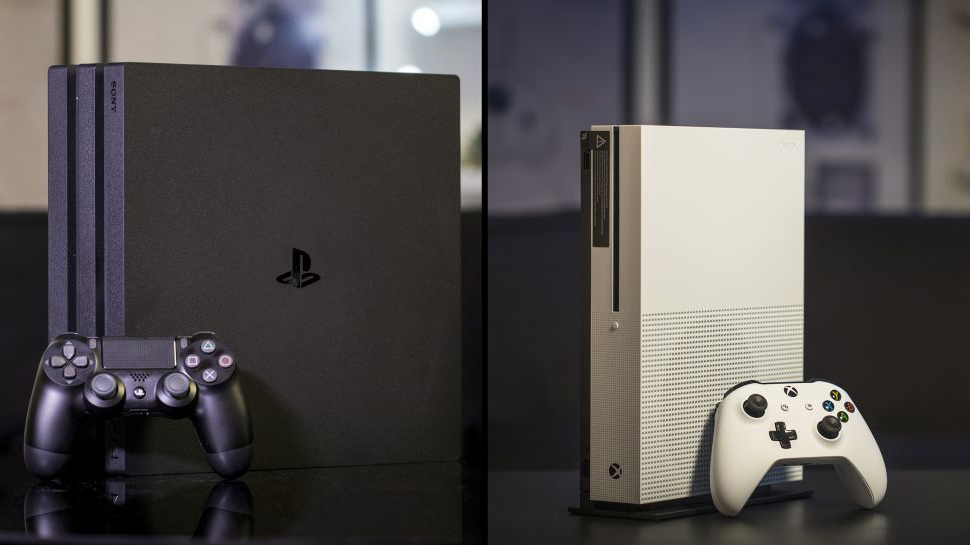
The truth may be a combination. The failure of Microsoft on the Xbox has indeed benefited Sony so much that, even though the current generation hosts the Xbox Series are well designed (hardware performance and XGP services are better than Sony), Microsoft’s management of its heavy-money buying studios has been weak, and ultimately the game of the studios has become a hot-solder on PlayStation platform.
However, even if Microsoft’s failure is the push that drives the player to find an alternative, Sony’s powerful game is always the pull that attracts the player to choose the PS.
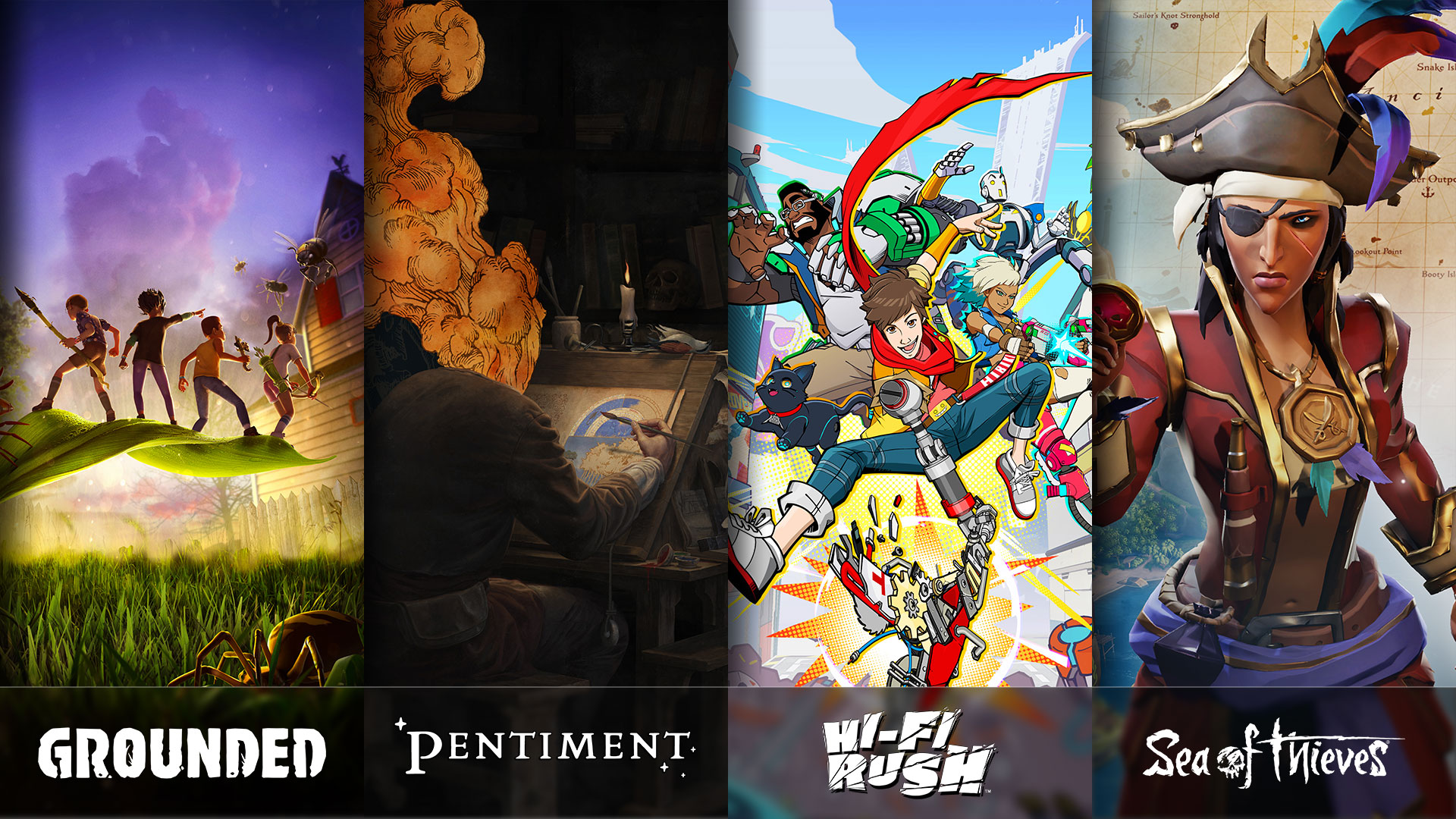
First-party game monopoly dispute
The current generation of Sony’s first-party games is frequently afflicted with disease.Indeed, the first side of the PS5 life cycle, at the same stage, may not be as bright as the PS4 period. Partly due to timing problems – Many core studios, with heavy work at the end of the PS4, have been able to transpose the PS5 as a new host to begin with, often requiring a new development cycle of four to five years.
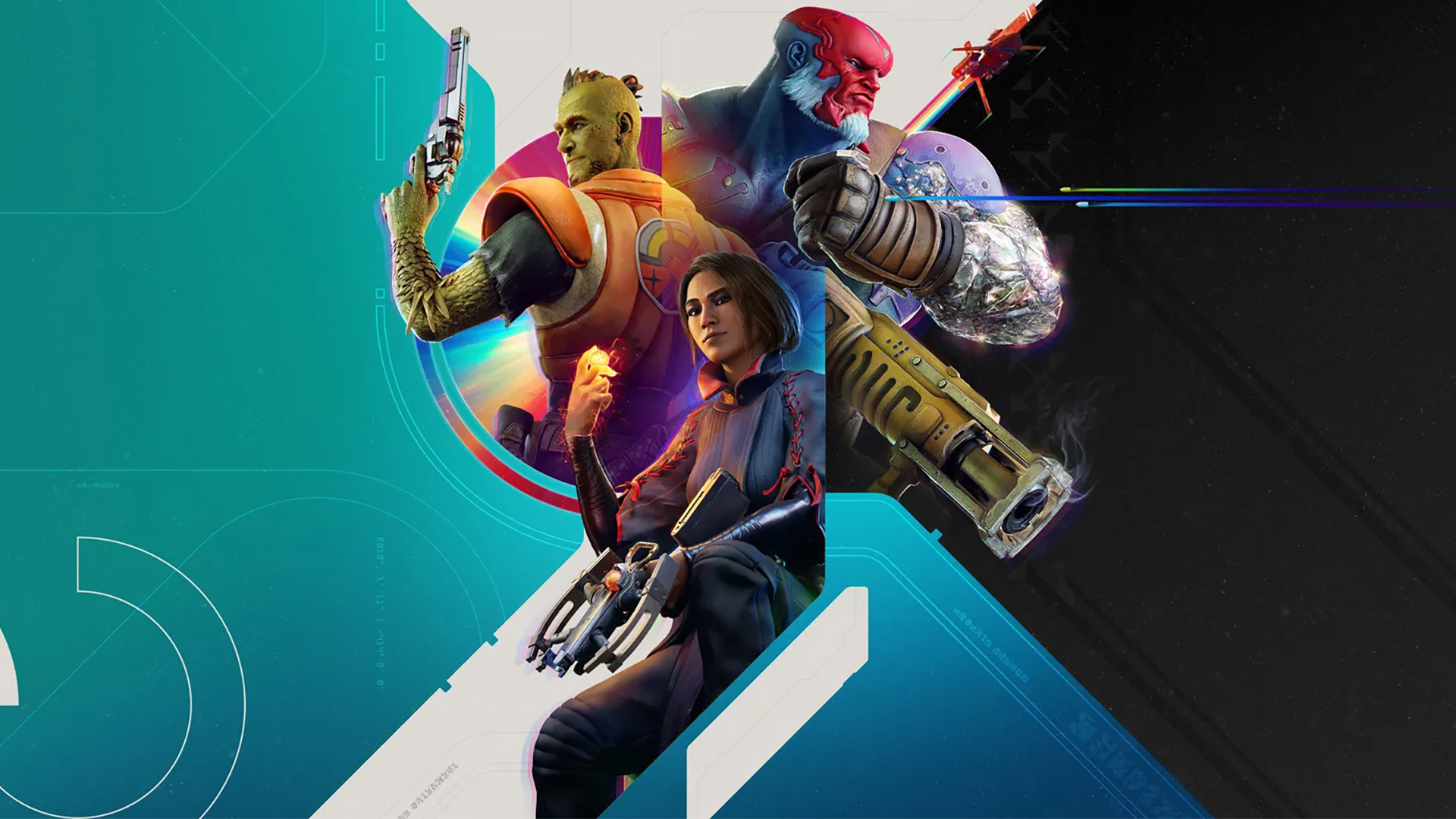
Strategic decision-making is also an important factor: Sony ‘ s request for a strategic shift in the focus of the first studio to an online service-type game is unclear as to the extent of the impact on the product pipeline, but it is undoubtedly resource-consuming and has yet to be rewarded. Starring Specials, recorded in the history of the thunderstorm, allowed the Sony high-level to begin a fresh look at the type of game.
While there was much criticism from players, it did not affect Sony ‘ s substantive achievements through PlayStation. Many arguments claiming that the PS5 first party is “disappointed” often use unfair rhetoric, such as redefining the term “dominant” to exclude subsequent landings on the PC, or rejecting the PS5-dominated but PS4 version.
This criticism of balancing PS4 strategies is particularly unfair in the game industry magazine, where the continuation of the PS4 software was a good deed when there was a shortage of goods at the beginning of the PS5 listing. Now it’s malicious to accuse PS5 of “a lack of exclusive play”.
Market information sent by GTA6
Whatever the attribution, the results are clear. The financial statements show that Sony ‘ s game business is extremely healthy and PS5 has in essence become the default choice for the living room host. With 2025 coming to an end and 2026, the core challenge came from multi-platform equipment, namely, the expensive PC host, Switch 2 of the master handler and the climate-climate PC player. However, it is difficult to shake the roots of PS in traditional host markets.
2026 will be a crucial year at the commercial level, not only for Sony but also for the global game industry. The “ten years of entertainment” is in the hands of the “GTA 6” and the market as a whole is filled with confidence in it, and analysts believe that the scale of the revenue generated by this century will be unprecedented.

If a single commercial objective is set for the generation, “the establishment of the status of the default living room host before the sale of GTA 6” is Sony’s ultimate mission. Without major changes, this goal is close to being achieved. The value of this success for Sony is likely to be in the hundreds or billions of dollars.
It is worth noting that there are already a number of mainstream online and online service-type game operators that are prepping to abandon the PS4 platform. This week, there are reports that Mikhail’s tour will end his support for PS4 in 2026.
The backward CPU and reading speed of the PS4 has had a significant impact on the player experience, and the new mainframe capacity is sufficient to support the plant in phasing out PS4 services. In theory, this will drive a large number of delayed upgrades to new hardware. While some of the affected games may be landing at Switch 2, most upgrades are likely to choose the least resistance PS5 to further push Sony up.
The potential obstacle lies in the price, which is no longer applicable to the current market, “to buy early and enjoy late”.This advantage of the last generation has almost disappeared, and the present generation has completely disappeared. Hosts not only maintain their original prices throughout their life cycle, but even raise them to cope with the effects of inflation, even though Sony ‘ s financial statements have repeatedly emphasized that after the price increases, PS5 continues to pay for the sale.
The prospects for 2026 are bright, and the game world seems to be moving in the right direction. However, the cloud in the wider economy is like an elephant in a room. The impact of tariffs on hardware pricing and the downside risks of shrinking consumption spending in many regions of the world cannot be ignored.
Sony is optimistic about the financial outlook in his recent financial statements, but also implicitly about the change in the risk environment – The most obvious is the start to break down business profits into “pre-tariff effects” and “post-tariff effects” in financial data.
According to the PlayStation magazine, the PlayStation business is resilient despite the difficult economic environment and Sony’s confidence appears to be rooted. It is not Sony who has never made a mistake (there has been no greater failure in recent years than a series of failures in online service games), but it has been impressively successful in breaking the challenge. Sony will be in the best position to succeed if, as forecasted, the economy returns in 2026.