
China ‘ s smart-screen industry, with its double-catalyzed policy dividend, technology overlay and high-quality content, is ushering in unprecedented growth opportunities and drivers of change.
In order to provide a comprehensive overview of the developments in the screen industry in the first half of 2025, the White Paper entitled “Strengthening and managing the leap forward: 2025H1 China’s home-based smart-screen industry development”, published by the Ministry of Technology, summarized the new trends in the big-screen industry by observing the development of the smart-screen industry and the marketing market in the first half of the year:
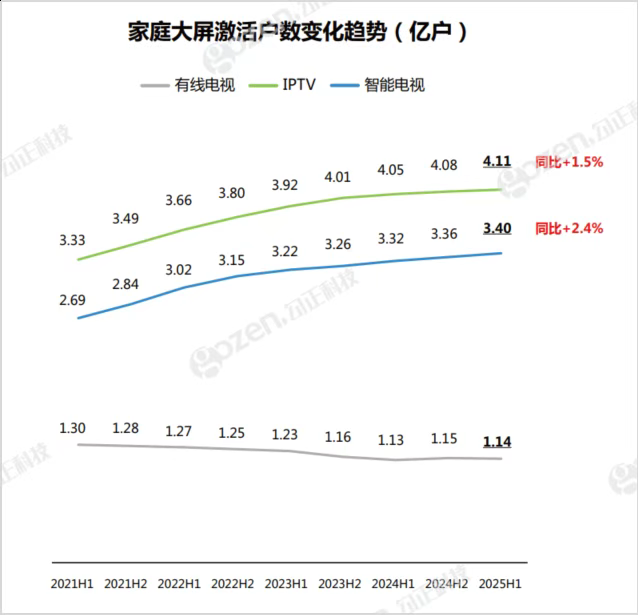
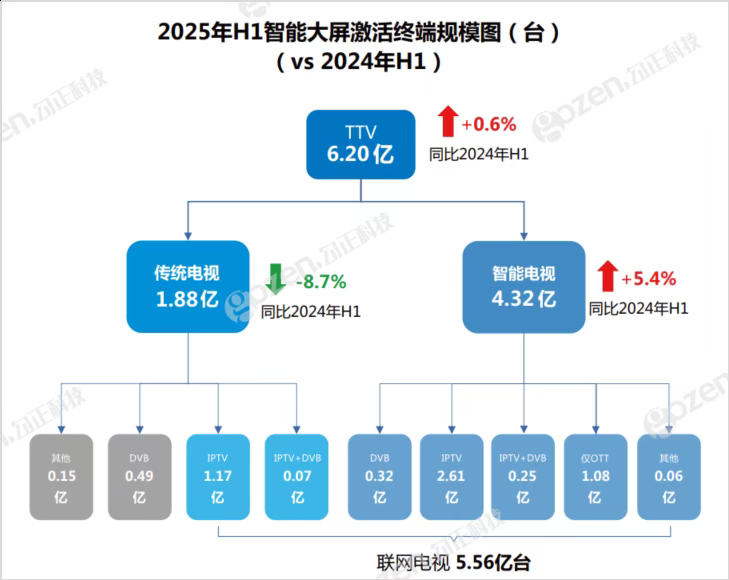
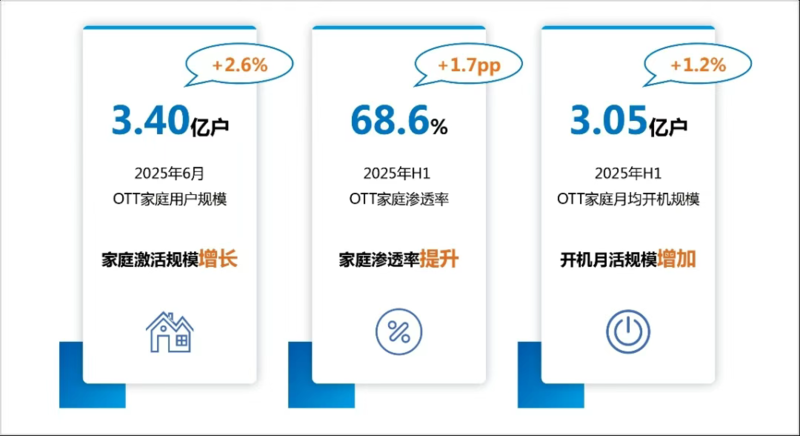
Steady up, low growth.In 2025, the size of our smart television terminals increased by 5.4 per cent over the same period, reaching 432 million, and the size of the household activation grew by 2.4 per cent, reaching 340 million households, with a low rate of market growth and stock competition.
Fine operation, boosting stock.In recent years, the long video media have sophisticatedly operated, reduced efficiency and diversified income generation for growth through such strategies as precision content, ranking of members, and PVOD pay-pointing.
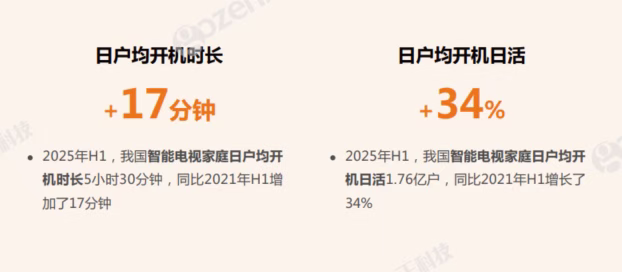
In exchange for old and new, drive consumption growth.The “old-for-new” policy has stimulated the shift in the country’s demand for smart television consumption to a larger size and higher quality in 2025, the new-enabled-screen consumption growth of equipment, a 34 per cent increase in daytime activity over five years, and a 17-minute increase in daily viewing hours for all households.
Crossscreen, global efficiency.2025, CTV advertising is a key word for branding, with cross-screen marketing strategies, using cross-screen ID behaviour measurements to quantify media-wide content data, and full-channel delivery can be assessed, contributing to the growth of brand-wide marketing.
Industry development
On the smart screen, “growth” remains the core keyword.
1) The number of smart television families continues to grow.In 2025, the number of users activated by our smart television reached 340 million, with the fastest increase; the number of users activated by IPTV was 411 million, with steady growth; and cable television as a whole showed a downward trend, but gradually stabilized.
2) The size of smart television terminals continues to expand.In 2025, H1 increased by 5.4 per cent from 2024 H1 (410 million) to 432 million.
3) Increased consumption of smart screen users.As a result of the “old-for-new” policy, the demand for smart television consumption in our country has moved in the direction of larger sizes and higher quality, with new equipment leading to the day-to-day and view-time growth of the country’s large screens.
Media Watch
With the increasing growth in the size of smart television terminals and in the volume of traffic, the dynamism of smart screen users and content consumption have varied.
1)Increased activity of smart screen families.On the one hand, the penetration rate of H1 OTT families in 2025 was 68.6 per cent, an increase of 1.7 pp per year; on the other hand, the monthly live family size grew by 1.2 per cent, maintaining a low and stable growth pattern.
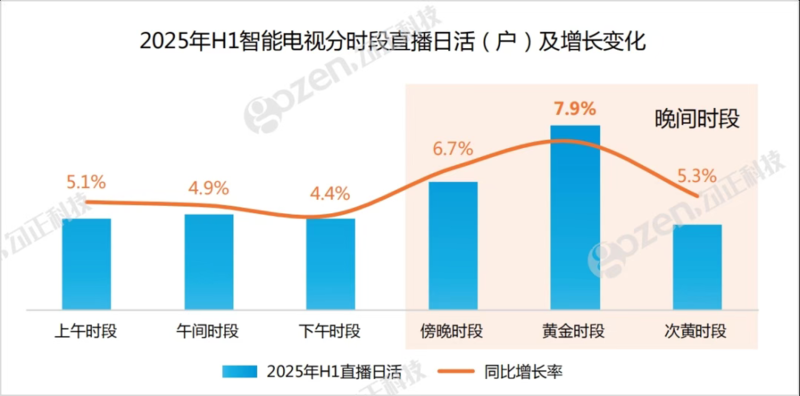
2) Increase in the full-time duration of live live live smart television.In 2025, the number of live live live, smart, H1 televisions increased by 7.5 per cent, with an increase of about 8 per cent and the highest in the evenings.
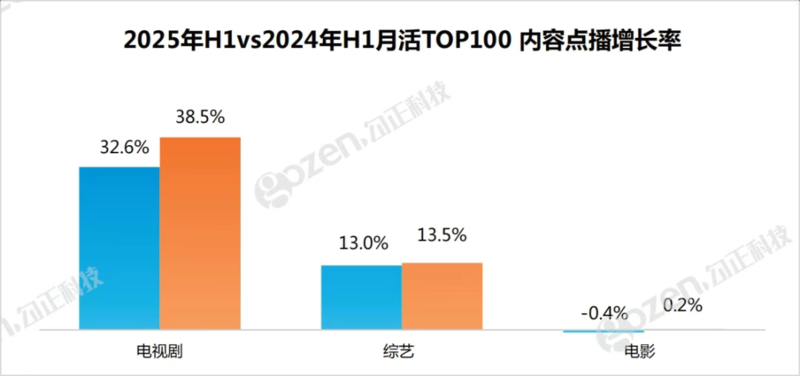
3) High growth in the number of content on the smart screen.In 2025, the total duration and frequency of the first H1 television show increased by 33 per cent and 39 per cent, respectively, as well as the simultaneous increase in the number of performances.
Marketing changes and trends
The brand chases the attention of users, and screens are becoming an important position for advertising.
In 2025, CTV advertising was a key word for branding.Global advertisers ‘ marketing budgets are beginning to tilt towards smart TV advertising, and smart screens will be one of the key options for future advertisers ‘ marketing.
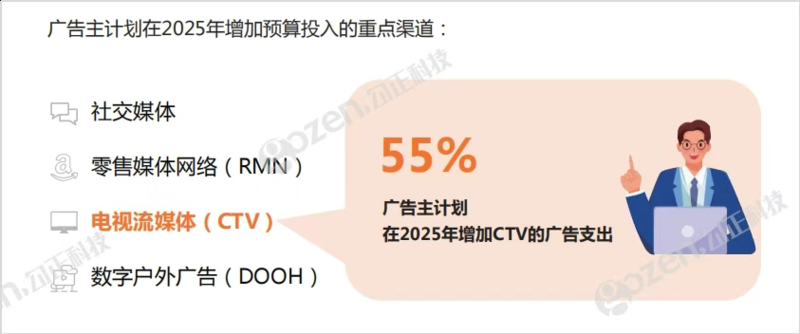
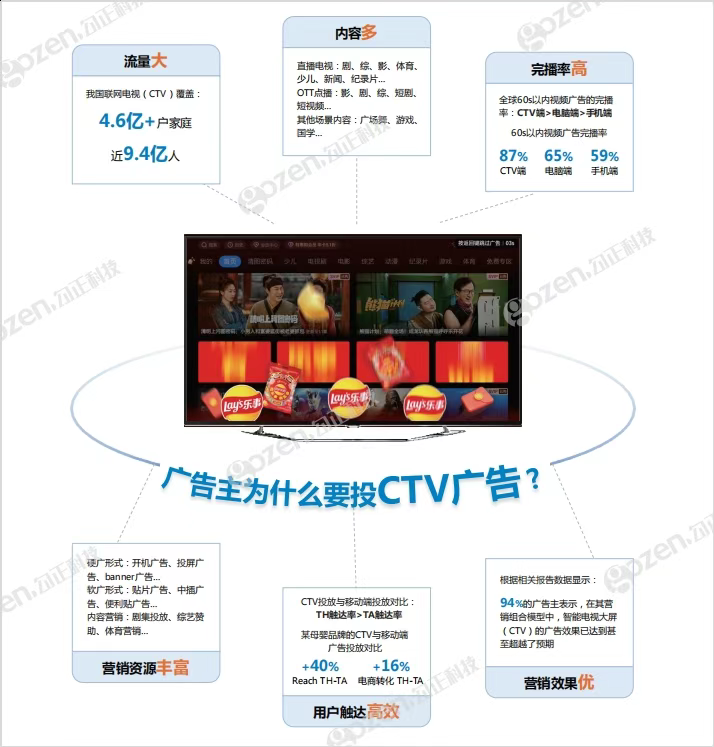
Why did the advertiser throw the big screen ad?The multiple value advantages of high-flow, high content, high completion rate, rich marketing resources, efficient user exposure, and high marketing performance are important drivers of increased input by advertisers.
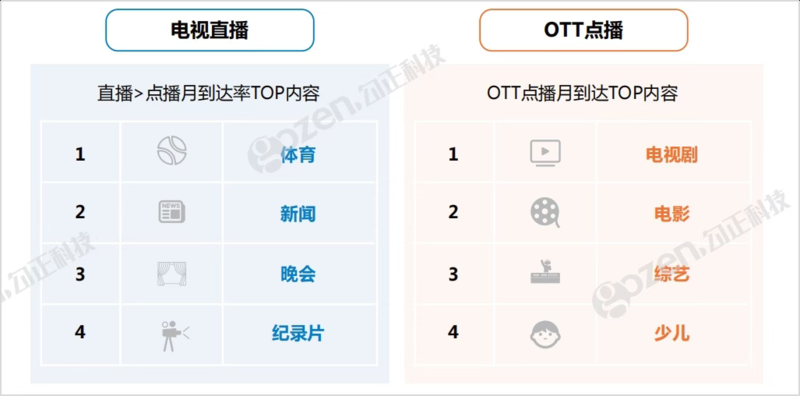
What’s the big screen ad for?On the side of big screens, television dramas, ensembles, films, are the focus of popular entertainment consumption and the core choice of brands for content marketing; on the live side, sports events, news stories, and evenings are more prominent and an important reference for brand marketing.
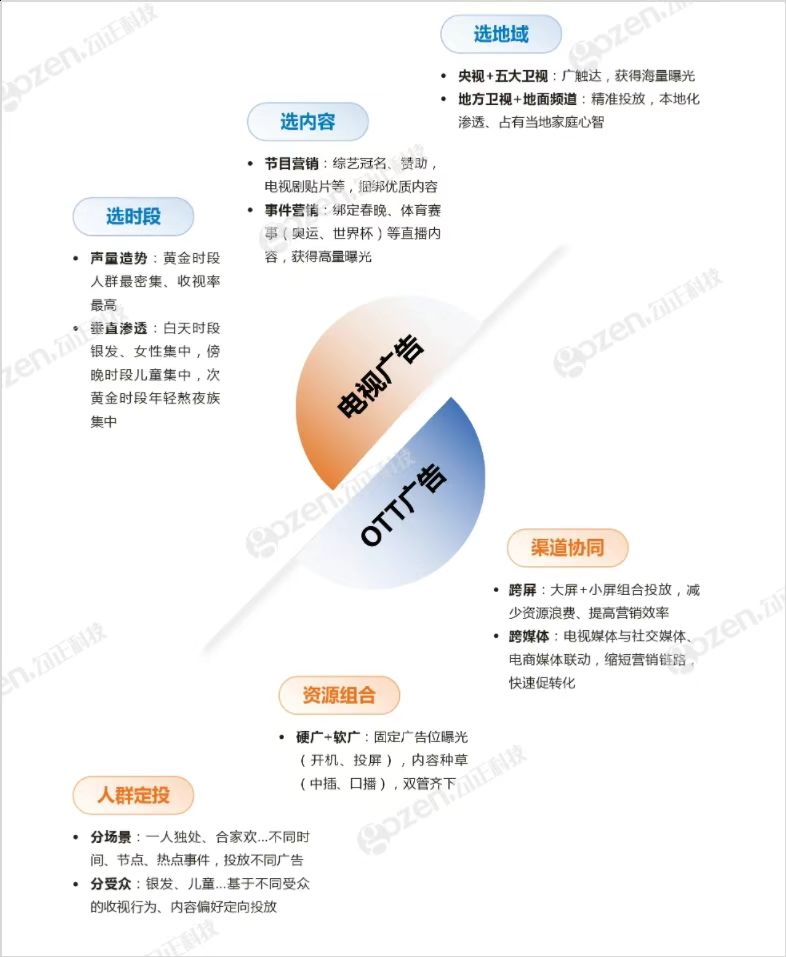
What about the big screen ad?The OTT dot-end, in the general direction of finely run video media, is one of the most important strategies for the precision of branding, as well as for improving the efficiency of delivery through hard and large + soft combinations of resources or cross-screen and cross-media synergies.
Moreover, according to a summary, there have been a number of new developments in large-screen marketing: in a time of intense competition for volume, brand owners are more committed to global efficiency, and cross-screen integrated marketing will be an important development; content is the “first touch” of brand-to-user connectivity, deepening content marketing and making it easier to create brand memory points; AI drives individualized experiences and recreates brand-to-user relationships …